Regular yoga practice has long been associated with improved physical flexibility and stress relief, but emerging neuroscience research reveals its effects run far deeper, reaching into the structure and function of the brain itself.
What the Research Shows
A growing body of peer-reviewed literature indicates that consistent yoga practice produces measurable changes in brain volume, neural connectivity, and hormone regulation. Studies using MRI imaging have observed increased grey matter density in regions associated with attention, interoception, and emotional regulation, including the prefrontal cortex, hippocampus, and insula.
Neuroplasticity and Yoga
Neuroplasticity, the brain’s ability to reorganise and form new connections, is central to learning, recovery, and emotional resilience. Yoga appears to support neuroplastic processes through its combination of mindful movement, breathwork, and focused attention. Research published in neuroscience journals has found that long-term practitioners show structural differences in areas linked to self-awareness and compassion compared to non-practitioners.
Stress Response and the Nervous System
One of yoga’s most well-documented neurological effects is on the hypothalamic-pituitary-adrenal (HPA) axis, the body’s primary stress response system. Regular practice has been shown to reduce cortisol levels, lower heart rate variability in stressful situations, and increase activation of the parasympathetic nervous system. This shift from chronic sympathetic activation (“fight or flight”) toward parasympathetic dominance (“rest and digest”) has significant implications for anxiety, depression, and trauma recovery.
Cognitive Function Across the Lifespan
Studies across diverse age groups, from children to older adults, consistently report improvements in attention, working memory, and executive function following yoga interventions. For children with neurodevelopmental conditions such as ADHD and autism, these findings are particularly relevant, as many of the cognitive domains supported by yoga practice are areas of common challenge.
Implications for Neurodevelopmental Yoga Therapy
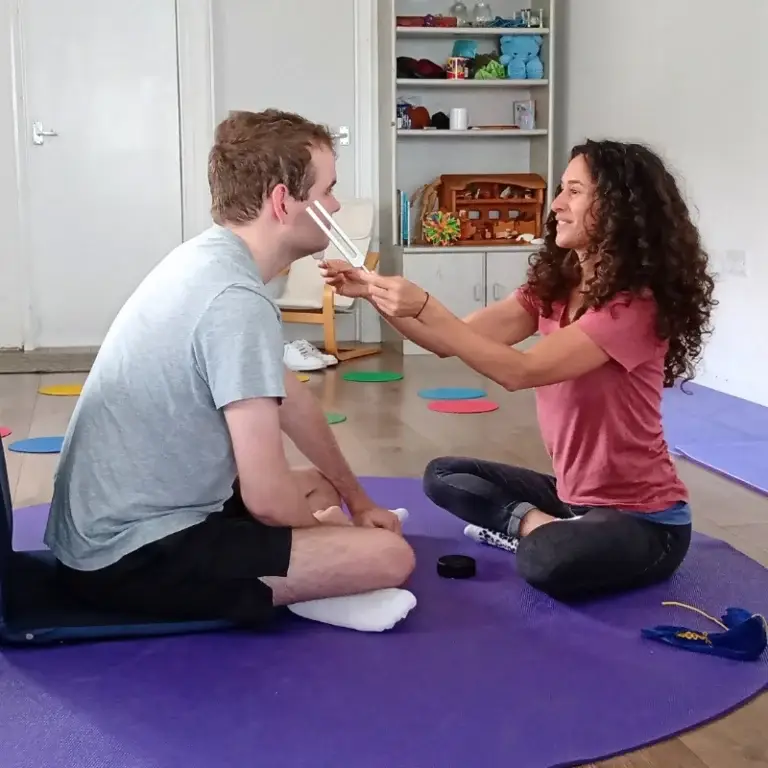
At Yotism, we draw on this growing evidence base to inform our approach to Neurodevelopmental Yoga Therapy (NDYT). Understanding that yoga is not merely physical exercise, but a whole-brain, whole-body practice, underpins everything we do with children, young people, and adults with autism, ADHD, and related conditions.
The research is clear: yoga changes the brain. And for the individuals and families we work with, that change can be genuinely transformative.